Can You Grow Lettuce in Florida? Here's the Calendar That Actually Works
 Suzy·Published Nov 2026·
6 min read
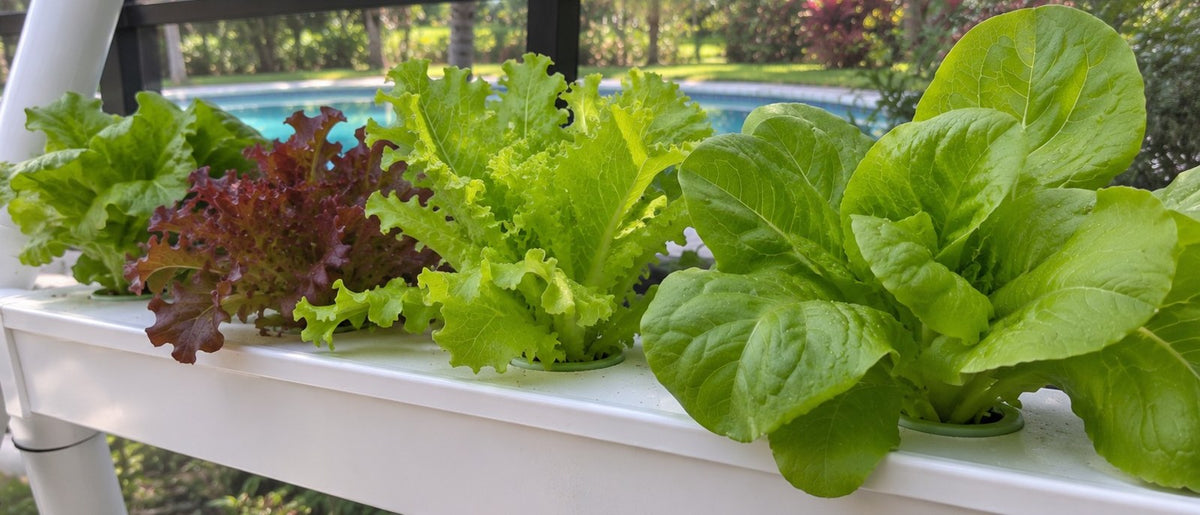
Yes, and South Florida has one of the best lettuce seasons in the country. The catch is the calendar: lettuce here is a winter crop. Start it at the right time, pick the right varieties, and you can eat your own salad from December until spring.

Most planting calendars are written for the north, where you sow lettuce in spring and give up on it by July. Follow one of those in Florida and your lettuce goes in just as the heat arrives. It shoots up, turns bitter, and you decide lettuce "doesn't grow here." It does. You were planting in the one season it can't stand.
The short answer
Sow lettuce from late October through February, move the seedlings into your hydroponic system two to three weeks later, and grow them outdoors in the winter sun. You'll be picking leaves about a month after that. When spring nights turn warm and the plants start to stretch upward, harvest everything and give the system to crops that love heat.
Florida's winter is everyone else's spring
Lettuce likes it mild: warm days, cool nights, nothing extreme. Up north, that weather comes twice a year, in spring and fall. In South Florida, it arrives in November and stays all winter. Then summer arrives with nights that barely drop below the upper 70s, and lettuce gives up.
Florida's farmers have known this for decades. They plant lettuce from October to March, ship it north from December to April, and leave the fields to other crops in summer. That is the rhythm of South Florida's whole vegetable season: it runs from about October to April, and summer is the off-season for most crops. A home grower can follow the same calendar.

In Central Florida the season is about the same. North Florida gets frost in mid-winter, so growers there plant in the fall and again in late winter.
Pick varieties that forgive warm days
The University of Florida says loose-leaf lettuce often does best in Florida's mild climate. It grows fast, and you pick it leaf by leaf instead of waiting for a whole head. These are some of the varieties UF suggests for home gardens, and they're easy to find as seed:
- Loose-leaf: Black-seeded Simpson, Red Sails, New Red Fire, Salad Bowl
- Romaine: Parris Island Cos, Valmaine
- Butterhead: Buttercrunch, Tom Thumb
Starting early in the season, or late? Choose a variety that's slow to bolt (slow to shoot up a flower stalk, which turns the leaves bitter). In UF's list of varieties for hydroponics, Cherokee and New Red Fire are rated heat tolerant, and Salanova, a seed mix of small-headed lettuces, very heat tolerant. Skip iceberg for your first season: it takes the longest, and the longer a lettuce sits in the system, the more likely it is to meet a hot week before you pick it.

How to grow lettuce in South Florida
- Sow from late October. Start the seeds in grow cubes (small starter plugs) and keep them moist. In two to three weeks, when roots show through the bottom, move them into the system. Our guide on transplanting seedlings into a hydroponic system walks you through it.
- Give them the winter sun. From November through February, a sunny patio, balcony or yard is perfect, and you don't need a grow light. On hot days at the start or end of the season, give them afternoon shade. Choosing a system for the patio? Take a look at our systems, built to grow outdoors.
- Keep the water cool. Roots suffer in warm water before the leaves show it. Keep the tank out of direct sun, and use an opaque, light-colored one. In mid-winter this takes care of itself.
- Feed them as leafy greens. Lettuce wants a lighter feed than tomatoes or peppers. Follow your system's feeding guide and do a quick weekly check of the solution.
- Pick from the outside in. Take a few outer leaves at a time and let the center keep growing. You don't wait for the lettuce to mature and you don't pull the whole plant: in mild weather, the same plant keeps giving you salad for weeks. Here is how to harvest leafy greens from the outside in.
With a few plants of each kind, picking this way gives you salad night after night, without a glut one week and nothing the next. The only timing to watch is the end of a plant's life. Catch the first hint of stretching early and sow a replacement right away. Better still, keep a few seedlings going in grow cubes through February, so one is ready to go in the moment an old plant is done.
When spring warms up
Sometime between late March and May, the nights stop cooling down, and your lettuce will tell you before the weather app does. The plant suddenly stretches upward, the leaves spread apart, and a thick stem starts rising from the center. That's bolting: the lettuce is getting ready to flower, and the leaves turn bitter. As Clemson University's extension service puts it, heat usually brings on bolting and a bitter flavor.
A lettuce that has started to bolt won't go back, so harvest everything that's ready, whole plants included. Then hand the system over to the plants that can take the heat.
You might expect tomatoes and cucumbers to be the summer crops, as they are up north. In South Florida they're winter crops too: tomatoes usually stop setting fruit when nights stay above 70°F, so they go in with your lettuce in the fall. For summer, basil does well, and so do tropical greens like Okinawa spinach, which UF says you can harvest all summer long.

Quick answers
Can you grow lettuce in Florida in the summer?
Outdoors, not really. Summer nights in South Florida are too warm, and most lettuce bolts and turns bitter. Even University of Florida researchers, growing under shade with chilled water, found that only the most bolt-tolerant varieties stayed sweet. If you want lettuce in summer, grow a few plants indoors under a grow light.
Can you grow lettuce year-round in Florida?
Not outdoors. The outdoor season runs roughly October through April, best in the middle. For the rest of the year, grow heat lovers outside and keep any lettuce indoors.
Can you grow romaine lettuce in Florida?
Yes. In South Florida, UF gives romaine the longest planting window of the head lettuces: you can still sow it in March. Parris Island Cos and Valmaine are good home varieties.
What vegetables can I plant now in South Florida?
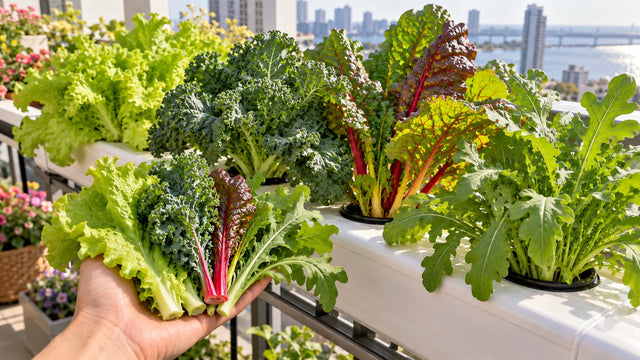
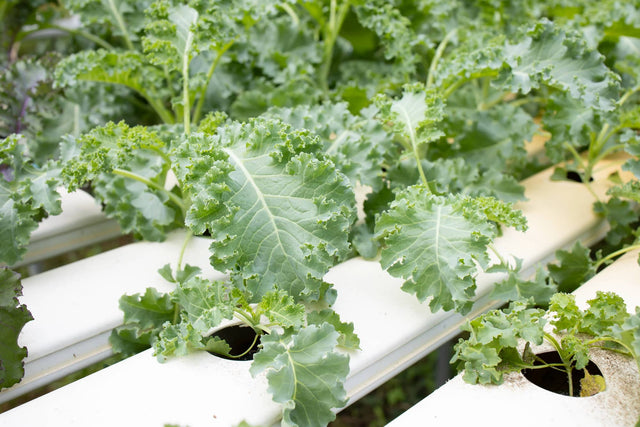
From October through February, almost anything: fall and winter is South Florida's main vegetable season. Tomatoes, peppers, cucumbers and beans go in alongside leafy greens like lettuce, kale, Swiss chard, arugula and bok choy, and all of them can be grown hydroponically. From May, switch to basil and tropical greens.
Why does my Florida lettuce taste bitter?
Almost always heat. Bitterness comes with bolting. Grow your lettuce in the coolest months, choose varieties that are slow to bolt, and harvest everything when the plants start to stretch.
Plant now, pick all winter
A Florida lettuce season looks short only if you measure it with someone else's calendar. Five or six mild months, a few plants of each kind picked from the outside in, and the salad comes from your patio instead of a plastic box.
Put the first seeds in when the nights finally turn cool, and you'll be eating your own salad around the holidays.
Not sure what your plants need?
Vegardi knows your system, your crops, and your climate, then tells you exactly what to do and when.

Everything here is written and edited by our in-house growers. We turn hard-won expertise into clear, usable guidance, and we keep it free, because the more people growing, the better. Have a question? Drop it in the comments. Let's keep growing, together.
Grow this next
Keep growing with us. It's free.
Join the Growers' Club for our best professional growing content, the kind we usually sell, plus first news, gifts and perks only members get.
We couldn't add you just now. Please try again.
One click to unsubscribe. We never share your address.
Almost there.
Check your inbox and confirm your email to join.
One quick question: what matters most to you in a hydroponic system?
We couldn't save that just now. Please try again, or skip.
SkipThank you.
One click in that email and you're in. While you wait:
Explore the Learn library → See the three systems →
Lettuce is one of the crops the Vegardi app guides you through on Homie Smart and Wally Smart. See the systems →