Master EC Balancing in Hydroponics: Achieve Perfect Plant Nutrition
 Nature Tech Team·Published Apr 2025·
1 min read
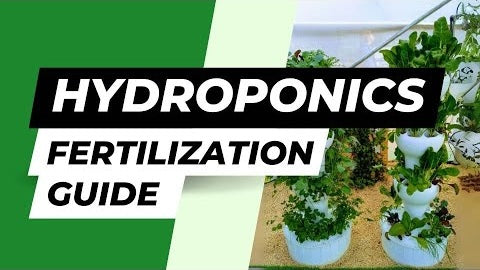
This informative video from Nature Tech highlights the significance of Electrical Conductivity (EC) in maintaining a balanced and effective nutrient environment for hydroponic plants. EC measures the concentration of dissolved minerals, particularly essential nutrients like nitrogen, phosphorus, and potassium, that plants require to thrive. Regular monitoring of EC ensures that plants receive the appropriate nutrient levels throughout all growth stages.
The video provides guidance on using a digital EC meter, starting with measuring the base EC of clean water and then calculating the desired final EC level based on the specific requirements of different plants. For instance, many plants thrive within an EC range of 1.2–1.6 during vegetative and 1.8–2.2 during flowering or fruiting. It is advisable to group plants by their growth stage and type to manage EC, pH, and other conditions effectively.
You will also learn how to adjust high or low EC readings to prevent issues such as nutrient lockout or deficiencies. The video emphasizes the importance of changing the reservoir monthly to avoid buildup or imbalances. Additionally, Nature Tech's plant encyclopedia offers tailored EC and pH guidelines, helping gardeners succeed and grow confidently, regardless of their experience level.
Not sure what your plants need?
Vegardi knows your system, your crops, and your climate, then tells you exactly what to do and when.

Growing hydroponically since 2012, with thousands of home growers along the way. Our articles are here to give you the knowledge and tools to grow hydroponics successfully. Have a question? You’re always welcome to ask us in the comments.
Keep growing with us. It's free.
Join the Growers' Club for our best professional growing content, the kind we usually sell, plus first news, gifts and perks only members get.
We couldn't add you just now. Please try again.
One click to unsubscribe. We never share your address.
Almost there.
Check your inbox and confirm your email to join.
One quick question: what matters most to you in a hydroponic system?
We couldn't save that just now. Please try again, or skip.
SkipThank you.
One click in that email and you're in. While you wait:
Explore the Learn library → See the three systems →